Plumber in Uptown Charlotte, NC: Unit or Building Line?
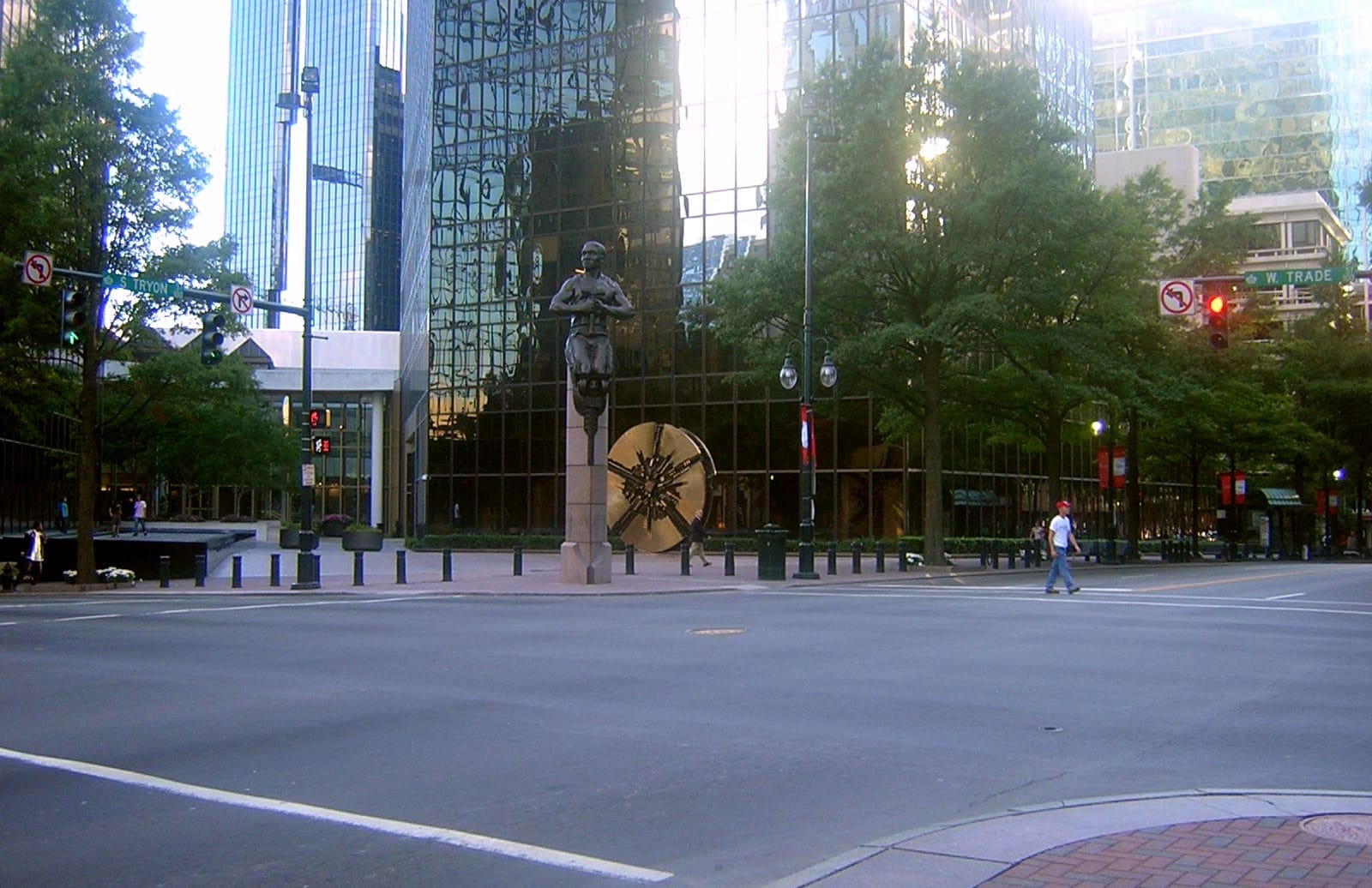
Plumber in Uptown, Charlotte
In an Uptown condo tower, the first question about a leak is whose pipe it is. North Carolina's condominium law splits it: the association maintains, repairs and replaces the common elements, and each unit owner is responsible for maintenance, repair and replacement of the unit. Which pipes count as common elements depends on your building's documents, so ask management.
Your unit or the building's line
- Your fixture: a dripping shut-off valve, a running toilet or a leaking water heater inside your unit. A plumber you hire can fix it.
- A shared line: water that tracks down from the unit above, or along a shared chase or riser. Tell building management first; shared parts are the association's to maintain.
Ask management before anyone opens a shared riser or chase. To find the source first, see leak detection; a toilet that refills on its own is covered on toilet repair.
Plumbing permits in Uptown come from Mecklenburg County Code Enforcement, as anywhere in the county.
Is an Uptown leak a building stack or a unit fixture?
Only when the water tracks a shared chase or comes from the unit above is it likely the building's line. A drip at a fixture in your unit is your fixture.
Can a unit plumber open a shared Uptown chase?
Not unless building management approves it. Common elements are the association's to maintain and repair, so a unit plumber works on the unit's fixtures and the unit shut-off.
Next step
Say the floor, whether neighbors are wet, and whether management already knows. We check whether a local plumber can take the job.